Source adjustable posture corrector for running, back support, and waist support
Find 30 adjustable posture corrector options from Jiangsu, China. Buyers can compare features like neoprene and polyester materials, sizes including L and XL, and customization services for OEM branding.
Key considerations
Products List
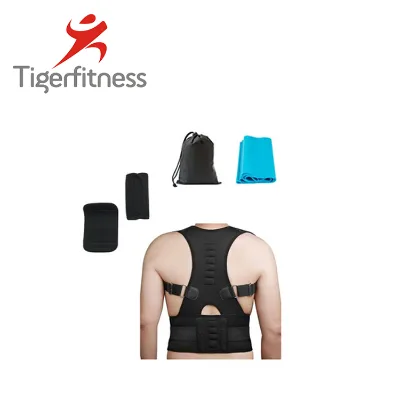
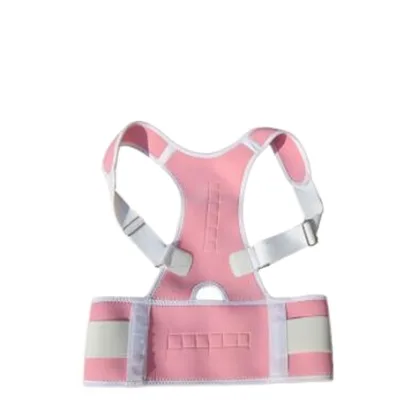
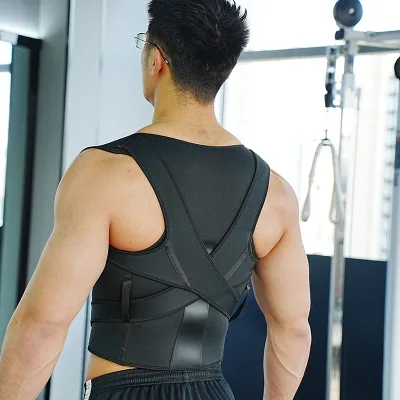


Comprehensive Sourcing Guide
Adjustable Posture Corrector Sourcing Guide
Sourcing adjustable posture correctors requires a nuanced understanding of the diverse product landscape, which ranges from simple neoprene back braces to complex waist support belts. Buyers must navigate a market where product names and functions often overlap, with listings frequently describing items as both "posture correctors" and "waist support belts" despite significant differences in material composition and structural design. The observed product count of thirty items indicates a niche but active supply segment, primarily originating from Jiangsu, China, where manufacturers offer both OEM and ODM capabilities. This geographic concentration suggests a mature supply chain for textile-based orthopedic accessories, yet it also necessitates rigorous due diligence to distinguish between generic commodity items and specialized medical-grade supports.
The core keyword "adjustable posture corrector" serves as a broad umbrella term that encompasses various sub-categories, including soft belts, neoprene braces, and body shapers. Procurement teams must clarify whether the end-user requires basic protection for daily wear or enhanced support for athletic activities such as running. The available data highlights a wide variance in single package sizes, ranging from compact 8x5x1 cm parcels for slim belts to larger 30x22x3 cm boxes for bulkier braces. This variation directly impacts logistics planning, as packaging dimensions influence container loading efficiency and final retail presentation. Understanding these physical distinctions is critical before initiating supplier outreach, as misalignment in product expectations can lead to costly sampling errors and delayed time-to-market.
Product Scope and Observed Listing Signals
The current market signals reveal a strong emphasis on customization and brand flexibility, with many suppliers accepting OEM branding and customized logos. This trend indicates that buyers are likely targeting private-label opportunities rather than purchasing off-the-shelf generic goods. The presence of "OEM" and "jj" as brand names in the observed data suggests a mix of white-label manufacturers and established domestic brands looking to expand internationally. Buyers should interpret these signals as an invitation to negotiate branding terms early in the sourcing process, ensuring that logo placement, packaging design, and marketing materials align with their specific brand identity. The availability of samples further supports a low-barrier entry for quality verification, allowing procurement teams to assess tactile qualities and fit before committing to larger orders.
Material composition is a critical differentiator in this product category, with observed listings featuring Polyester Cotton, Polyester, and Nylon blends. Each material offers distinct performance characteristics: Polyester Cotton may provide superior breathability and comfort for all-season use, while Nylon and Neoprene variants often deliver enhanced durability and compression for back support applications. The observed color palette is predominantly black, which is standard for discretion under clothing, but buyers should verify if other color options are available for seasonal or demographic targeting. Additionally, the "Universal" applicability noted in several listings suggests a one-size-fits-most approach, yet the presence of specific sizes like L, XL, and Medium indicates that a size-run strategy is necessary to accommodate diverse body types and reduce return rates.
Technical Specifications to Verify
When evaluating technical specifications, buyers must prioritize the verification of size charts and fit guidelines, as the "Universal" claim often masks significant variability in actual garment dimensions. The observed single gross weights range from 0.500 kg to 1.000 kg, which may seem high for a single item but likely reflects the weight of the packaging or a bulk sample unit. Procurement teams should request detailed dimensional data for each size variant (L, XL, etc.) to ensure that the product meets the ergonomic requirements of the target demographic. The distinction between "Soft" types and "Neoprene Back Braces" is particularly important, as the former may offer comfort for mild postural correction, while the latter provides rigid support for lumbar issues. Clarifying this structural difference is essential to avoid mismatched product expectations.
Thickness and adjustability mechanisms are key technical features that influence user compliance and product efficacy. The observed "Medium" thickness specification suggests a balance between discretion and support, but buyers should verify if adjustable straps, Velcro closures, or elastic bands are included to accommodate different torso measurements. The "Adjustable" feature is frequently cited, yet the quality of the adjustment mechanism—such as the durability of Velcro or the strength of elastic—can vary significantly between suppliers. Additionally, the "Basic Protection" classification implies that these products are not intended for medical treatment of severe spinal conditions, a distinction that must be clearly communicated in marketing materials to avoid regulatory misclassification. Buyers should also confirm the single package size and gross weight for each SKU to accurately calculate landed costs and storage requirements.
Compliance and Safety Documentation
Compliance in the posture corrector category primarily revolves around textile safety and general product liability rather than strict medical device regulations, given the "Basic Protection" classification. Buyers must verify that suppliers adhere to relevant international standards for textile products, such as ISO certifications, which were observed in some listings. These certifications typically cover aspects like chemical safety (e.g., azo-free dyes), flammability, and fiber content accuracy. Procurement teams should request copies of these certificates and cross-reference them with the specific materials used, such as Polyester or Nylon, to ensure that the finished product meets the safety standards of the destination market. The "New" condition attribute is standard but should be paired with evidence of proper manufacturing hygiene and quality control processes.
Documentation requirements also extend to labeling and packaging compliance, which vary by region. The observed "OPP Bag or Box" packaging options suggest flexibility, but buyers must ensure that all required information, including care instructions, material composition, and country of origin (China), is clearly displayed. If the product is marketed as a "Health Care" or "Body Shaper" item, additional claims verification may be necessary to avoid misleading advertising penalties. Buyers should also inquire about any third-party testing for durability and elasticity retention, as these factors directly impact customer satisfaction and return rates. While specific test results were not provided in the observed data, requesting such documentation is a prudent step to mitigate risk and ensure long-term product performance.
Cost Drivers and Commercial Terms
Cost drivers for adjustable posture correctors are heavily influenced by material selection, customization complexity, and order volume. The observed MOQ range of 1 to 3000 pieces indicates that suppliers are willing to accommodate small trial orders, which is beneficial for new buyers testing the market. However, the MOQ of 100 pcs noted in some attributes suggests a baseline for customized runs, particularly those involving logo printing or specific packaging. Buyers should analyze the price range of 1.45-27 USD to understand the value proposition of different tiers; lower prices may correspond to simpler designs or thinner materials, while higher prices likely reflect premium fabrics, complex adjustability features, or branded packaging. Understanding these cost structures is vital for setting appropriate retail margins and competitive pricing strategies.
Commercial terms such as sample availability and lead times are critical for supply chain planning. The "Aviliable" sample status is a positive indicator, allowing buyers to physically inspect product quality before placing bulk orders. However, buyers should clarify the cost and timeline for sample production, as well as whether sample fees are refundable upon bulk order placement. The "Customization: Available" attribute implies that lead times may be extended for OEM orders due to the additional steps of logo application and packaging assembly. Procurement teams should negotiate clear delivery schedules and penalty clauses for delays, especially if the product is intended for seasonal sales or specific marketing campaigns. Additionally, payment terms should be structured to balance risk, potentially using escrow services for initial orders until supplier reliability is established.
Supplier Qualification and Quality Control
Supplier qualification in the Jiangsu-based textile sector requires a focus on manufacturing capability and quality assurance processes. Buyers should verify the supplier's experience with OEM projects, as evidenced by the "Acceptable" OEM status and "Customized Logo" offerings. This experience often correlates with better adherence to technical specifications and more consistent product quality. Procurement teams should request factory audits or video tours to assess production lines, particularly for stitching quality and material handling. The "Brand Name: OEM" designation suggests that the supplier is accustomed to producing for other brands, which can be a positive sign of professionalism, but buyers must ensure that their own intellectual property and design specifications are strictly protected through non-disclosure agreements.
Quality control measures should be explicitly defined in the purchase agreement, covering both pre-production and pre-shipment inspections. Given the "Adjustable" nature of the product, inspections should focus on the functionality of straps, the integrity of Velcro hooks and loops, and the uniformity of sizing across batches. Buyers should establish clear acceptance criteria for defects, such as loose threads, uneven stitching, or material inconsistencies, and determine the cost responsibility for rework or replacement. The "Single gross weight" and "Single package size" data should be used to verify that packaging is consistent and protects the product during transit. Implementing a robust QC process helps minimize the risk of receiving substandard goods and ensures that the final product meets the brand's quality standards.
Long-Term Procurement Checks
Long-term procurement success depends on continuous monitoring of product performance and supplier reliability. Buyers should track customer feedback regarding fit, comfort, and durability to identify potential design flaws or material issues that may require supplier intervention. The "All Seasons" claim suggests versatility, but real-world usage data may reveal limitations in extreme weather conditions, necessitating product iterations or material upgrades. Regular communication with the supplier is essential to stay informed about any changes in material sourcing or manufacturing processes that could impact product quality or compliance. Establishing a long-term partnership with a reliable supplier can lead to better pricing, priority production slots, and collaborative innovation in product design.
Sustainability and ethical sourcing practices are increasingly important considerations for modern buyers. Procurement teams should inquire about the supplier's environmental policies, including waste management and chemical usage, to align with corporate social responsibility goals. The "Polyester Cotton" and "Nylon" materials used in these products have different environmental footprints, and buyers may prefer suppliers who offer recycled or eco-friendly alternatives. Additionally, verifying that the supplier adheres to fair labor practices is crucial for maintaining brand reputation. By integrating these long-term checks into the procurement strategy, buyers can build a resilient supply chain that supports both business growth and ethical standards.
FAQs
What materials are used for the adjustable posture corrector?
The product is constructed from Polyester Cotton, Polyester, or Nylon materials depending on the specific model. These fabrics ensure durability while providing the necessary support for back and waist applications. Buyers can select options based on their preference for breathability or warmth.
Can I order samples before placing a bulk order?
Yes, samples are available for this adjustable posture corrector to verify quality before commitment. This allows buyers to test the fit and features like the neoprene back brace style or belt type. The sample availability supports a smoother procurement process for new clients.
Which sizes are available for the posture corrector?
Available sizes include L and XL to accommodate universal application for adults. The product is designed to fit various body types while providing essential back support. Buyers should verify specific size charts when ordering to ensure the correct fit for their target demographic.
How does the customization option work for branding?
Customized logos are accepted on the adjustable posture corrector for branding purposes. This OEM service allows vendors to apply their own identity to the product. Buyers can request specific logo placements to enhance their brand visibility in the market.
What is the minimum order quantity for this product?
The minimum order quantity is 100 pieces for standard orders. Some listings may show a range from 1 to 3000 units depending on the specific supplier configuration. Buyers should confirm the exact MOQ with the manufacturer to align with their inventory needs.
Where is the product manufactured and what certifications apply?
The product originates from Jiangsu, China, and holds ISO certification for quality assurance. This location indicates a specific manufacturing hub known for textile and support gear production. The ISO standard ensures that the production process meets recognized international quality benchmarks.
What packaging details are provided for the shipment?
Items are packed in OPP bags or boxes with a single gross weight of 0.500 kg to 1.000 kg. The single package size varies between 8x5x1 cm and 30x22x3 cm depending on the model. This packaging ensures safe transport while keeping logistics costs manageable for bulk orders.